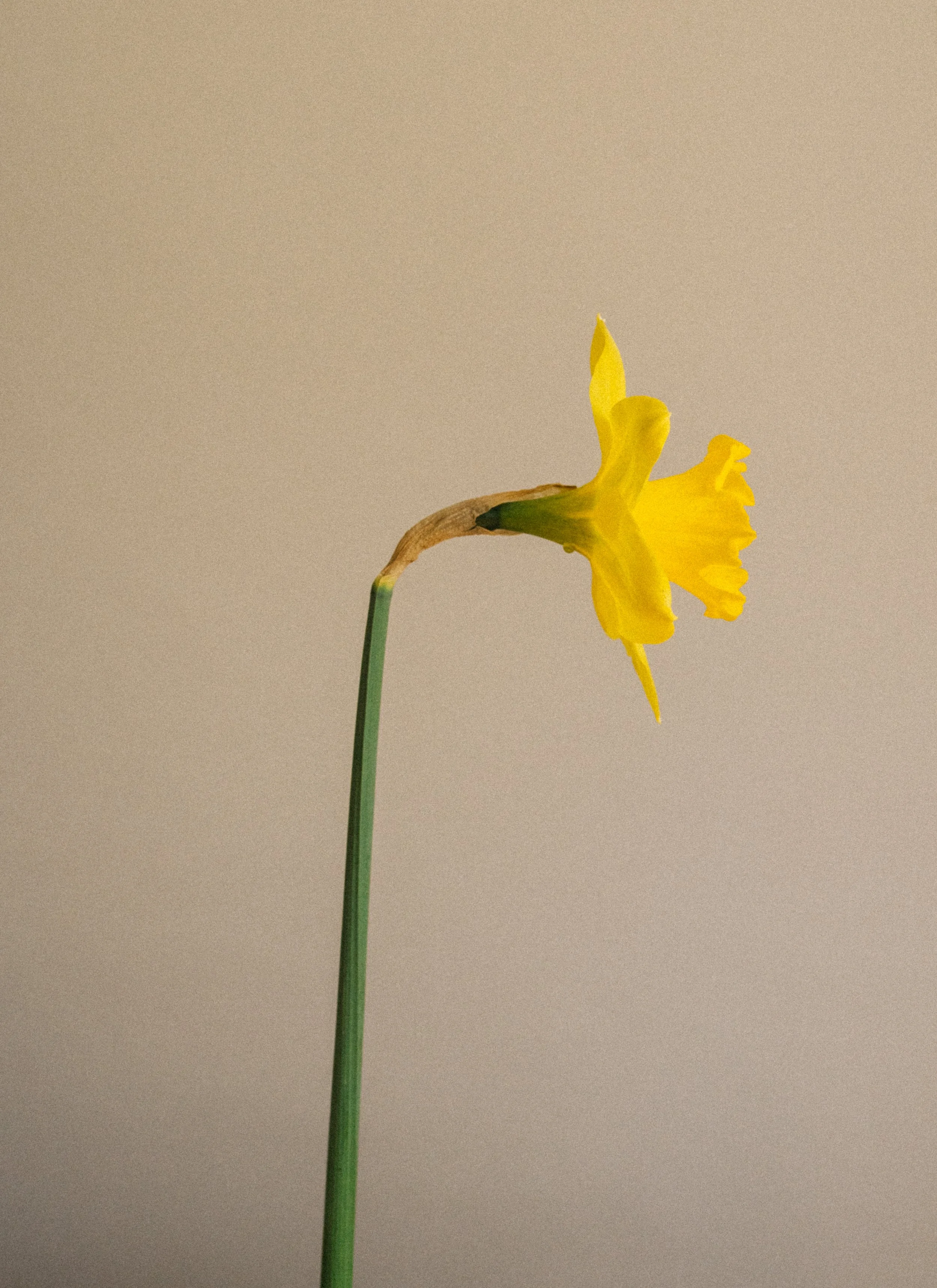
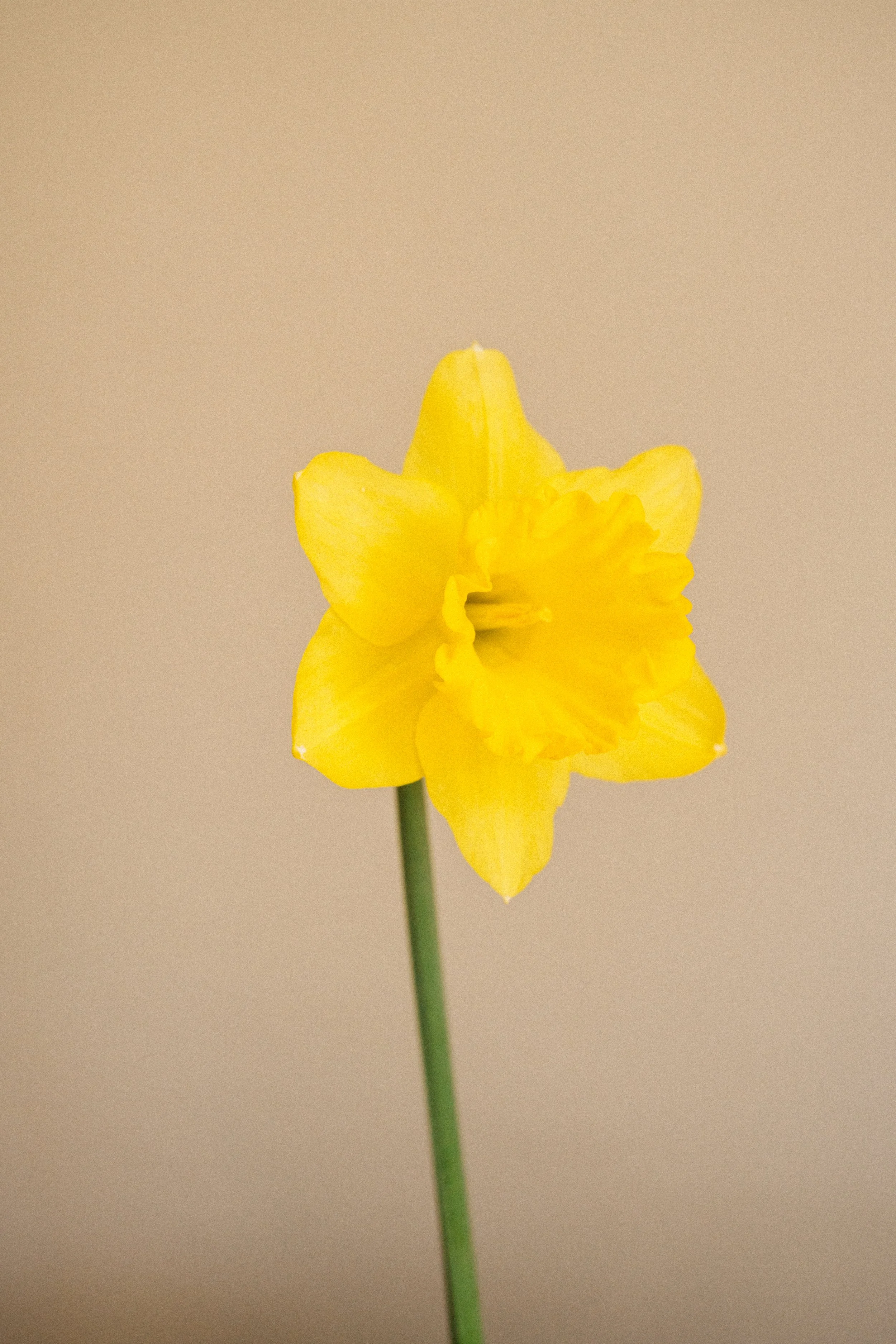
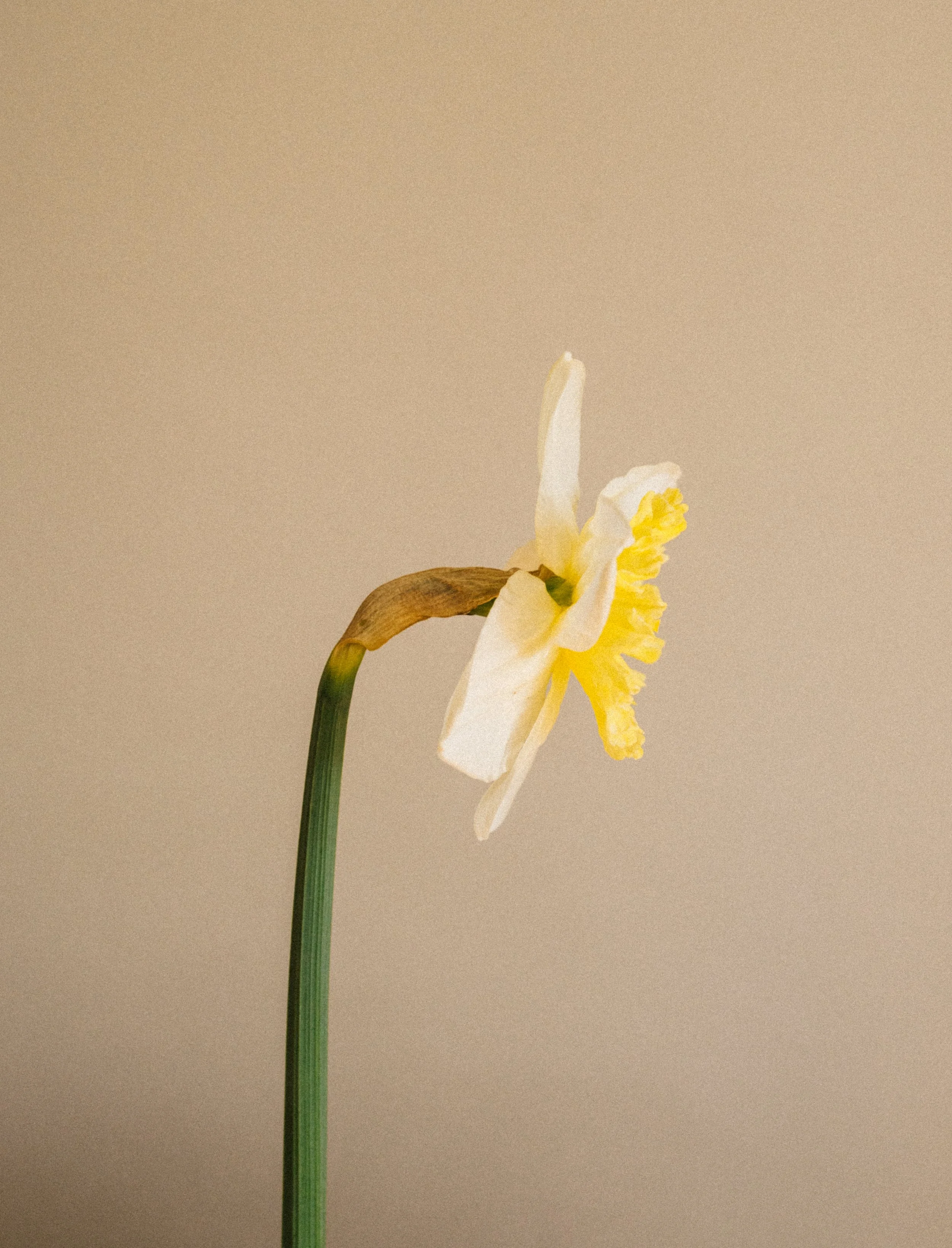
Narcissus for early Spring color
Daffodils are a beloved spring flower that adds a burst of color and cheer to gardens everywhere. With their elegant trumpet-shaped blooms and vibrant hues, they are a popular choice for both experienced and novice gardeners. In this post, we'll explore the various types of daffodils and why you should consider growing them in your garden.
A Rainbow of Daffodil Varieties
Daffodils belong to the genus Narcissus and come in a wide range of colors, sizes, and shapes. Here are some of the most popular varieties:
Trumpet daffodils: These classic daffodils have a long, prominent trumpet that is the same length or longer than the petals.
Large-cupped daffodils: Similar to trumpet daffodils, but with a cup that is shorter than the petals.
Small-cupped daffodils: These have a small cup that is less than one-third the length of the petals.
Double daffodils: Double daffodils have multiple layers of petals, creating a full and fluffy appearance.
Poetic daffodils: These have a short cup and flat petals, often with a contrasting color at the tips.
Split-cupped daffodils: The cup of these daffodils is split into segments, creating a unique and eye-catching look.
Why Grow Daffodils?
There are many reasons to consider growing daffodils in your garden:
Beauty: Daffodils are stunning flowers that add color and vibrancy to your garden.
Ease of care: They are low-maintenance plants that require minimal care once planted.
Versatility: Daffodils can be grown in a variety of conditions, from sunny gardens to partially shaded areas.
Naturalizing: Many daffodil varieties are naturalizers, meaning they will spread and multiply over time.
Wildlife benefits: Daffodils provide food for pollinators like bees and butterflies.
Planting and Caring for Daffodils
Daffodils are typically planted in the fall, but the exact timing will vary depending on your location. Here are some tips for planting and caring for daffodils:
Planting depth: Plant bulbs at a depth equal to twice their height.
Spacing: Plant bulbs about 6 inches apart.
Watering: Water bulbs thoroughly after planting and again in the spring if the weather is dry.
Fertilizing: Daffodils generally do not require fertilization, but you can add a balanced fertilizer in the spring if desired.
Deadheading: Remove spent blooms to encourage the plant to focus on producing more flowers.
Daffodils are a beautiful and versatile addition to any garden. With their wide range of varieties and easy care requirements, they are a great choice for gardeners of all levels. So why not add some daffodils to your garden this year and enjoy their stunning blooms?